
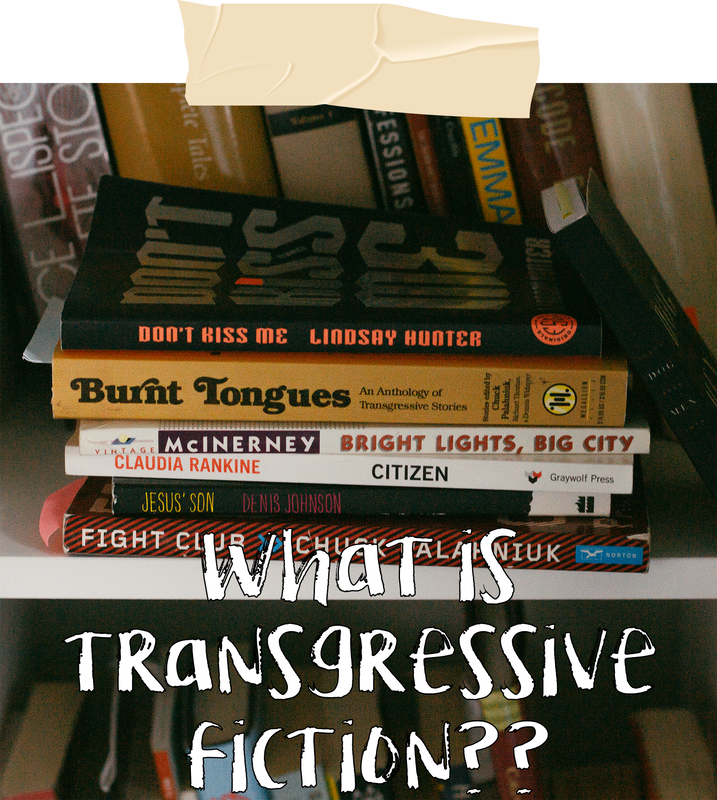
What Happens When Fiction Removes the Guardrails
The books that have stayed with me longest are rarely the ones with heroes worth admiring. They're the messy, morally complicated stories that blur the line between judgment and empathy and leave you wondering what you might have done in the same situation.
So I Wrote a Novel…
A few days ago, I published my first novel. What I expected was the challenge of writing it. What I didn't expect was what publishing it would teach me about creativity, skepticism, and what it means to put something genuinely human into the world at a time when many people are quick to dismiss it.
The Gift of a Mistake
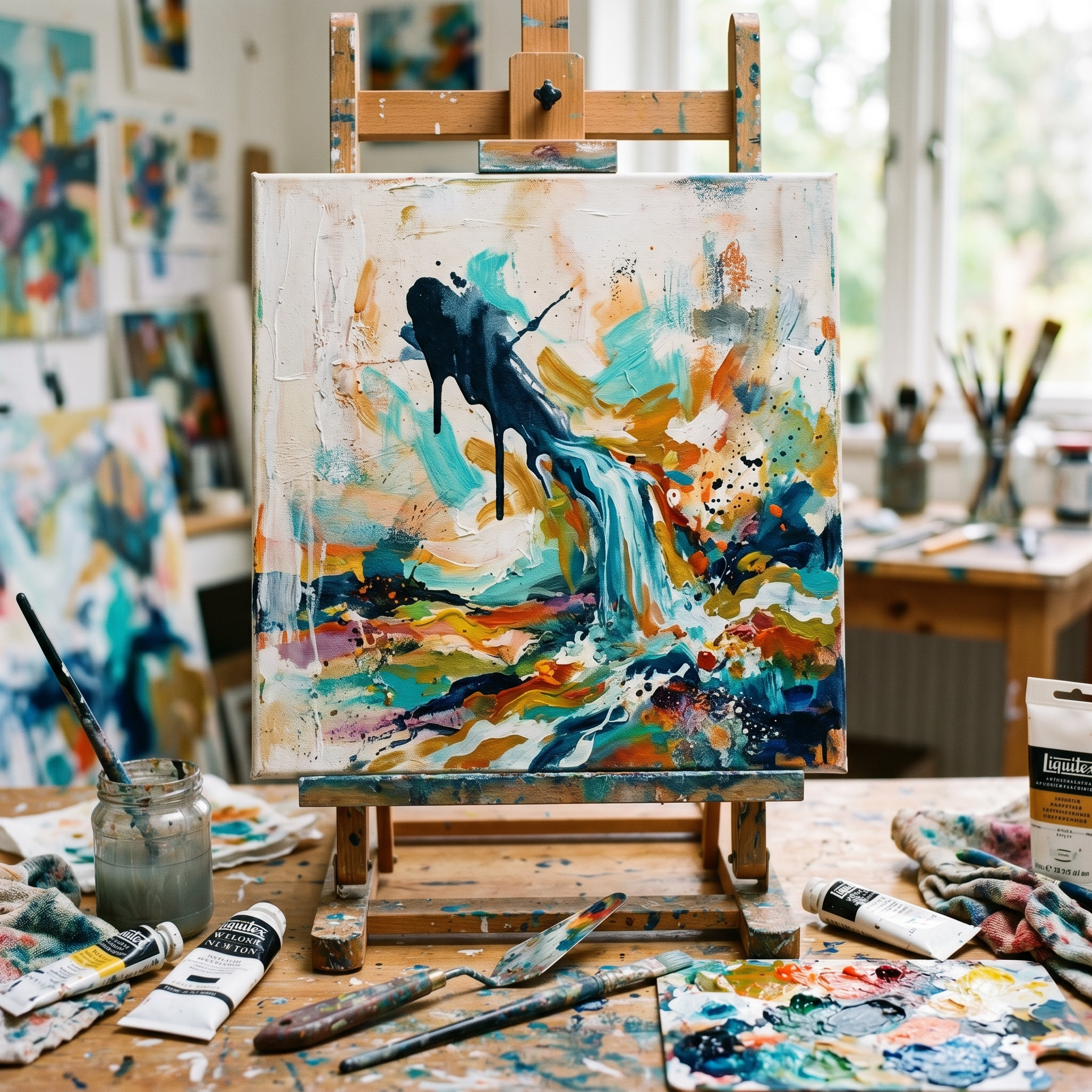
Painting has taught me an unexpected lesson about perfectionism: mistakes are rarely the end of the story. More often, they're an invitation to become creative, adaptable, and solution-focused.
The Real Magic of Fiction
Every author has a voice. Every character needs one too. While writing [un]civilized, I became fascinated by the challenge of making multiple fictional people sound distinct while knowing every word ultimately came from the same mind.
The Strange Vulnerability of Being Seen
Publishing a novel felt surprisingly vulnerable. Not so much because strangers might read it, but because people who know me professionally might. What happens when the version of yourself you've carefully curated collides with your creative work?
Why Write If Almost Nobody Makes Money?
Most writers will never make significant money from their work. Knowing that, why do they keep writing? It's a question I've spent a lot of time thinking about while creating [un]civilized.
Why I Often Write Better Than I Speak
I've often found that I express my thoughts more clearly through writing than conversation. Is that a consequence of modern culture, or are some of us simply wired to think more effectively on the page?
Imperfect by Design
AI is a remarkable tool, but I don't believe art derives its value from perfection. The rough edges, imperfections, and lived experiences behind creative work are often the very things that make it worth experiencing.
Waiting for Inspiration Is a Terrible Writing Strategy
Should writers wait for inspiration or force themselves to write every day? After spending two years writing [un]civilized, I've come to believe the answer lies somewhere between discipline and the muse.
Who Are You Writing For?
Should artists create for themselves or for their audience? While writing [un]civilized, I came to believe the answer isn't one or the other. It's finding the balance between authentic self-expression and meaningful connection.
The Devil in the Details
A story isn't just a sequence of events. It's a place the reader visits. While writing [un]civilized, I became fascinated by how small sensory details can transform an imaginary world into something that feels real.
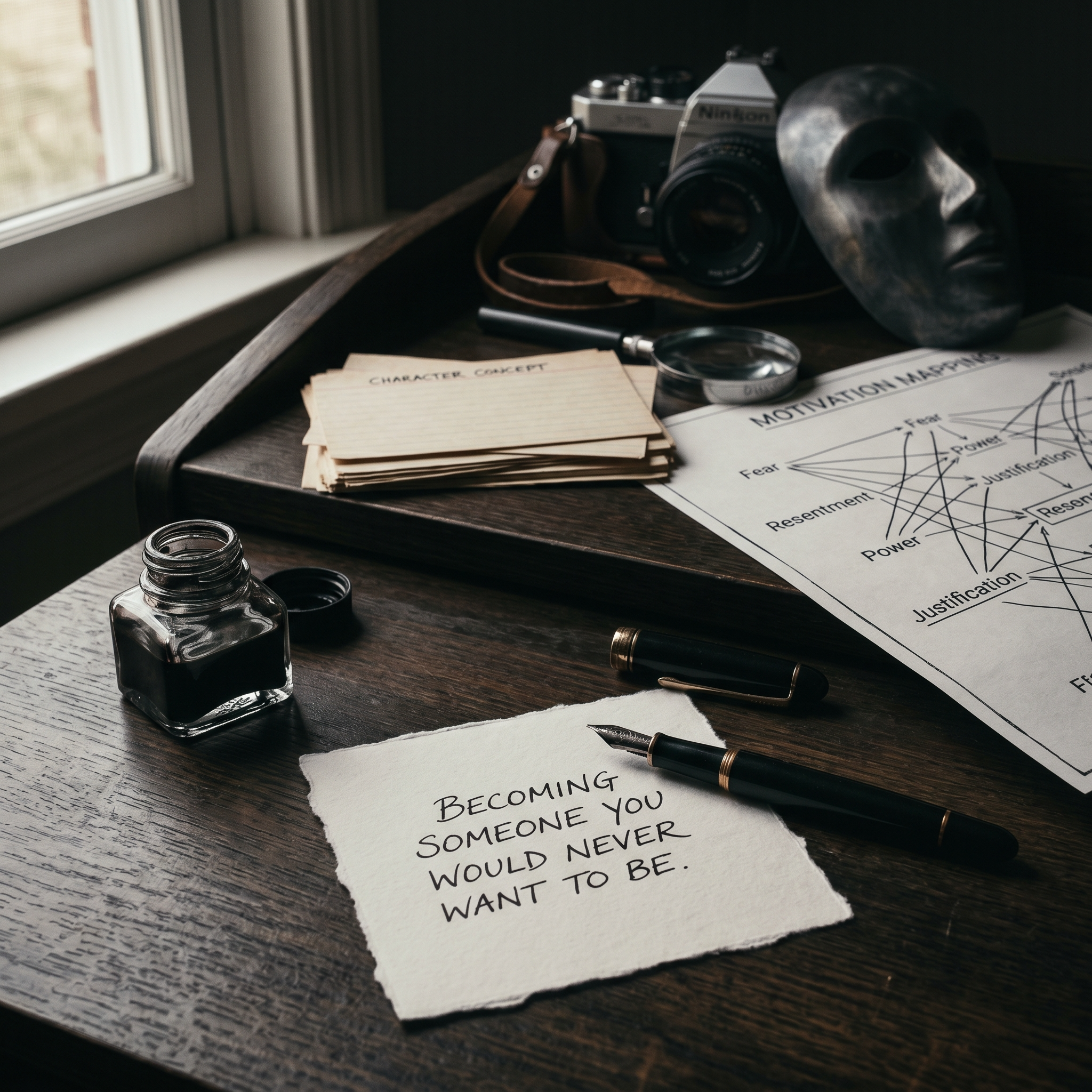
Becoming Someone You'd Never Want to Be
To write believable characters, you sometimes have to spend time inside perspectives you'd never embrace yourself. While writing [un]civilized, I learned that understanding a dangerous person is very different from agreeing with one.
Writing as Therapy
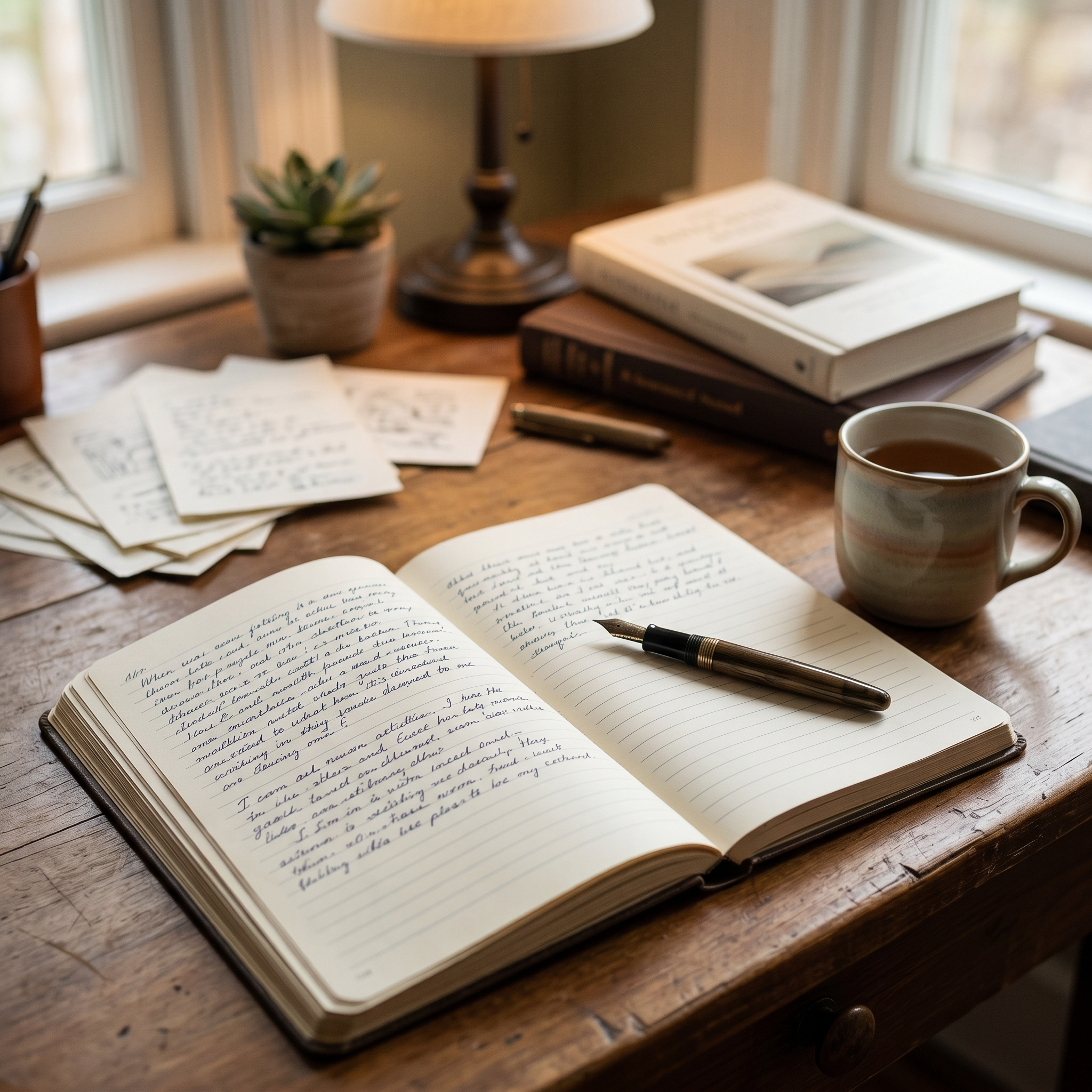
I thought I was writing a novel. What I discovered was that the process of creating it became a form of therapy, forcing me to confront parts of myself I'd carried for years.